
Australian warehouses are under more pressure than at any point in the last decade. Labour shortages, rising operating costs, and the relentless growth of ecommerce fulfilment have pushed many manual operations to their limits. For warehouse managers and logistics directors weighing up the next step, the question is no longer whether automation makes sense. It is when.
This guide identifies seven clear indicators that a warehouse has outgrown manual processes and is ready for automation. Each sign points to a specific operational challenge and the type of warehouse automation technology best suited to address it.
We specialise in warehouse automation and work with businesses across multiple sectors to design and implement end-to-end automated warehouse systems. The seven signs below draw on the kinds of operational patterns the SmartlogitecX team encounters most frequently when assessing warehouse readiness.
1. Rising Labour Costs Are Eating Into Your Margins
How Manual Processes Drive Up Warehouse Operating Costs
Labour typically accounts for 50 to 70 per cent of total warehouse operating expenditure. In Australia, the combination of a tight labour market, award wage increases, and growing competition for skilled workers has made this cost line increasingly difficult to manage. Warehouses that rely on manual forklift operators, hand picking teams, and paper-based inventory tracking find their margins squeezed further with every financial quarter.
The problem compounds during peak periods. Hiring temporary staff to cover demand spikes introduces training costs, higher error rates, and inconsistent productivity. For many operations, the cost of scaling a manual workforce now exceeds the cost of deploying automation.
Where Automated Guided Vehicles and Robotics Reduce Labour Dependency
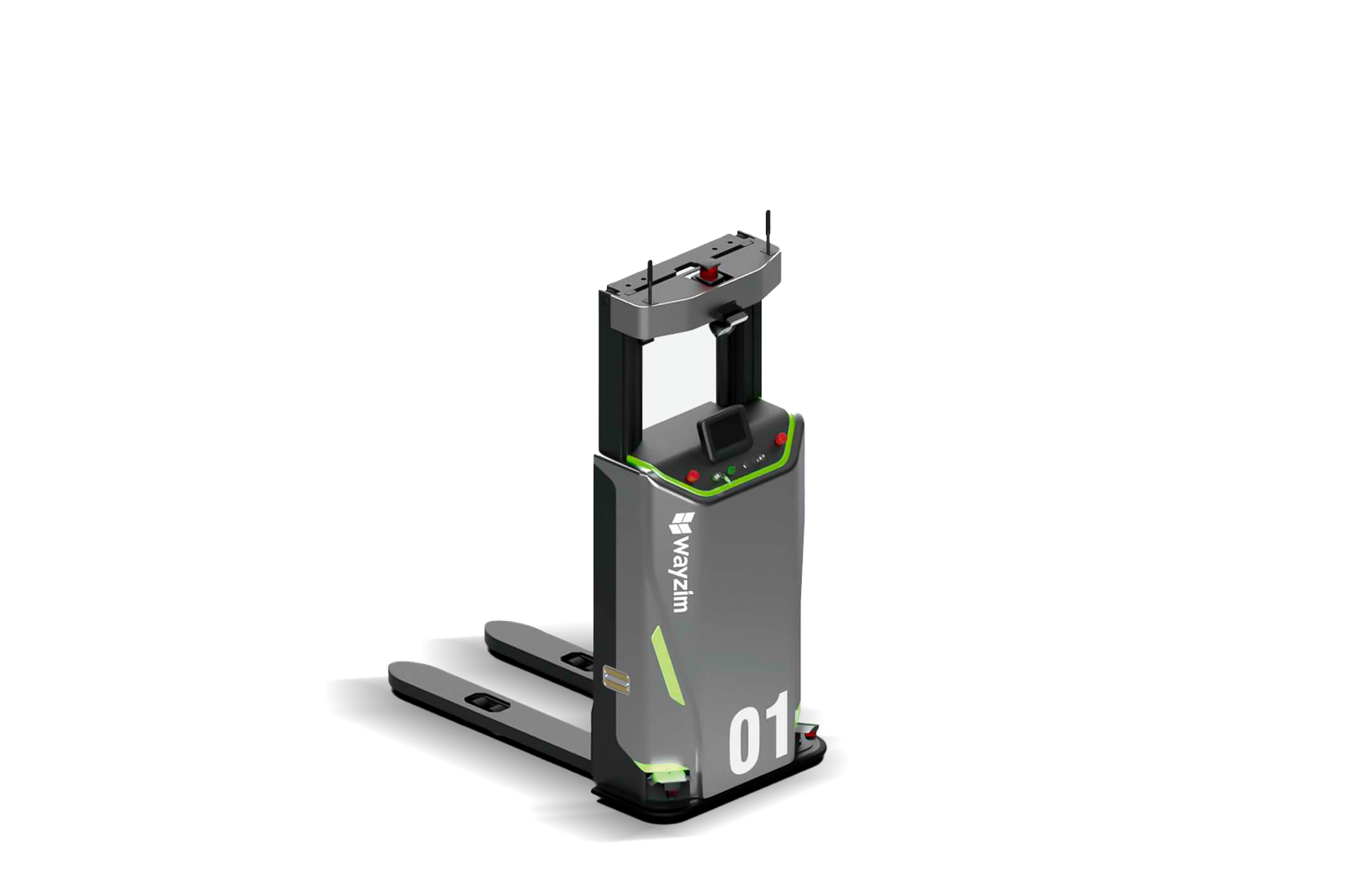
Automated guided vehicles (AGVs) are one of the most practical starting points for warehouses looking to reduce labour dependency. The SmartlogitecX Fork AGV, for instance, automates pallet transport between receiving docks, storage zones, and dispatch areas. It operates continuously without fatigue, shift changes, or supervision. Over a 12-month period, a single Fork AGV can replace the equivalent of two to three full-time manual forklift roles, delivering a measurable reduction in labour costs warehousing operators face.
AGVs do not eliminate the need for people. They redirect human effort toward higher-value tasks such as quality control, exception handling, and process improvement.
2. Order Error Rates Are Climbing Beyond Acceptable Levels
The True Cost of Picking, Packing, and Shipping Errors
Every mispick, mislabel, or misshipment carries a downstream cost that extends well beyond the price of the item. Returns processing, reshipment logistics, customer service time, and brand damage accumulate quickly. Industry benchmarks suggest that the average cost of a single warehouse error ranges from $20 to $60 once all downstream effects are counted.
When error rates creep above 1 to 2 per cent of total orders, the financial impact becomes material. More importantly, it signals that the manual processes underpinning your order fulfilment accuracy have reached their reliability ceiling.
How Automated Sorting and Scanning Systems Improve Accuracy
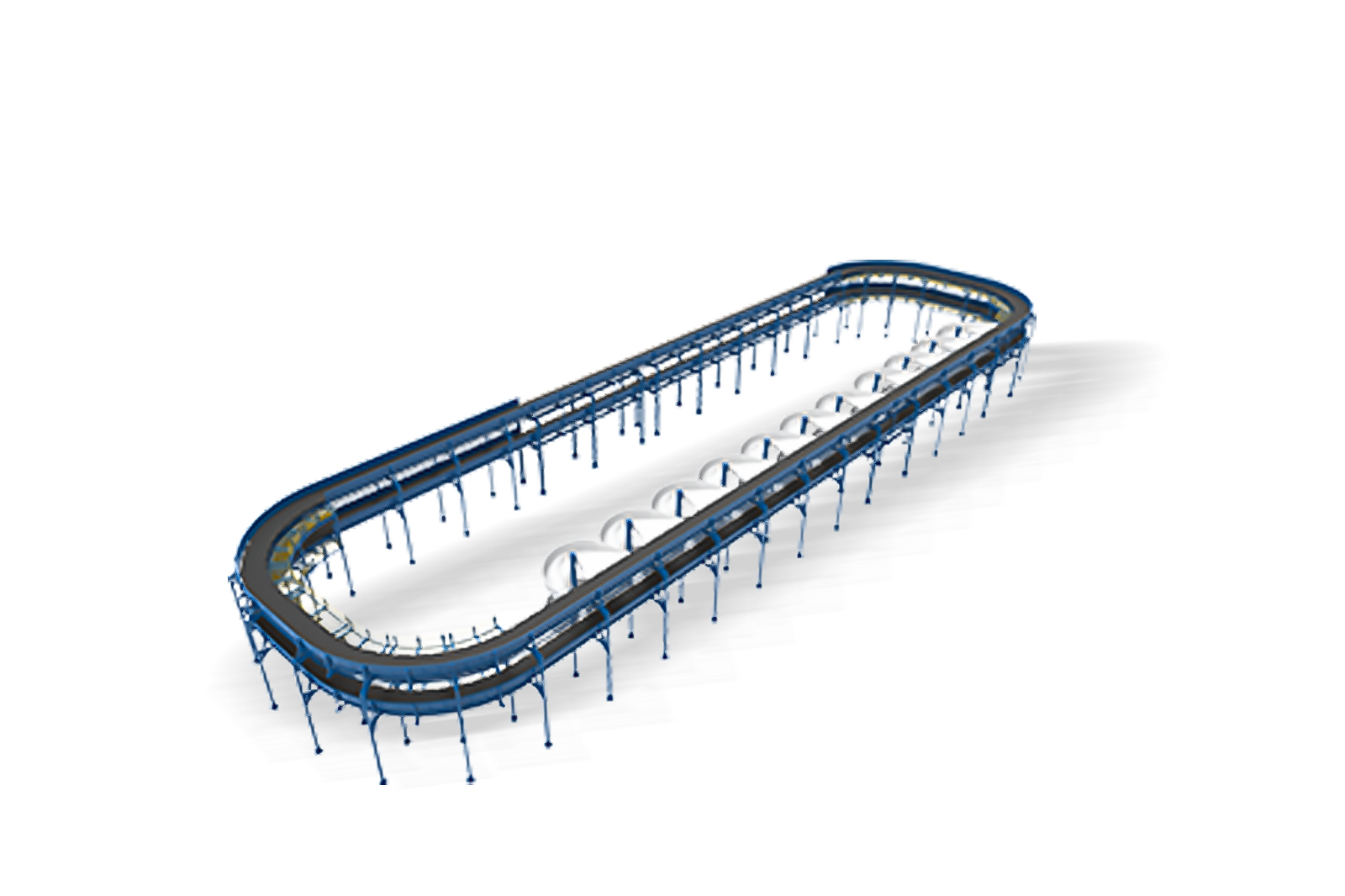
Automated sorting systems remove human variability from the fulfilment chain. The SmartlogitecX Cross Belt Sorter processes high volumes of parcels and items at speed, directing each unit to the correct destination chute based on barcode or RFID data. It is particularly effective in ecommerce fulfilment and parcel sorting technology applications where throughput and accuracy must work in tandem.
Paired with the SmartlogitecX DWS Dynamic Weighing & Scanning system, warehouses gain automated data capture at the point of induction. The DWS captures weight, dimensions, and barcode information in a single pass, eliminating manual data entry errors and feeding accurate information into downstream warehouse systems.
3. You Are Running Out of Warehouse Space Without Room to Expand
Why Vertical Storage Beats Horizontal Expansion
Land and lease costs in Australian industrial precincts have risen sharply in recent years, particularly in Sydney, Melbourne, and Brisbane. For warehouses that have filled their available floor space, the conventional response of leasing additional square metres is often prohibitively expensive. Relocating to a larger facility carries its own disruption costs and lead times.
The smarter alternative is to build upward rather than outward. Automated storage solutions allow warehouses to maximise vertical space utilisation, storing goods at heights that would be impractical or unsafe for manual access. This approach can increase effective storage density by 50 to 80 per cent within the existing building footprint.
Automated Storage and Retrieval Systems for Australian Warehouses
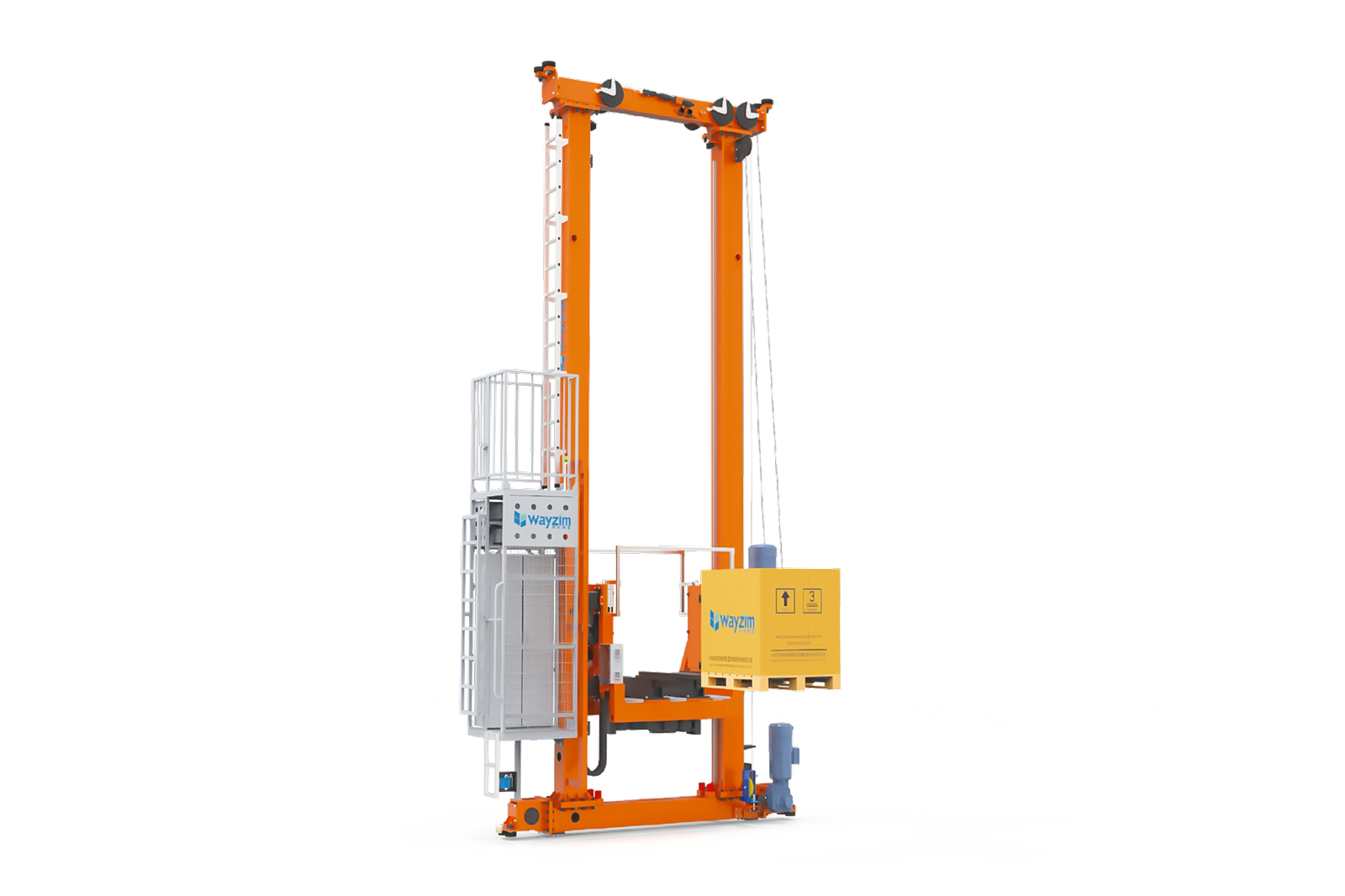
An automated storage and retrieval system (AS/RS) is purpose-built for this challenge. The SmartlogitecX AS/RS Pallet Stacker Crane operates within narrow aisles and reaches heights of up to 30 metres, storing and retrieving palletised goods with precision. It connects directly to inventory management systems, providing real-time stock visibility and eliminating the manual cycle counting that ties up warehouse staff.
For operations dealing with smaller items or totes, SmartlogitecX also offers Pallet Four Way Shuttle systems and miniload stacker cranes that deliver the same density advantages at the carton or tote level.
4. Throughput Bottlenecks Are Slowing Your Fulfilment Operations
Identifying Where Manual Handling Creates Delays
Operational bottlenecks often develop at the handoff points between warehouse zones. Goods arriving at receiving need to move to storage. Picked items need to reach packing stations. Packed orders need to flow to dispatch. When any of these transitions depends on manual handling, the entire chain slows to the pace of its weakest link.
If your warehouse regularly misses despatch cut-off times, or if orders queue at specific stages during peak hours, you are likely dealing with a throughput capacity constraint that manual labour alone cannot resolve.
Using Conveyor Systems to Increase Throughput Capacity
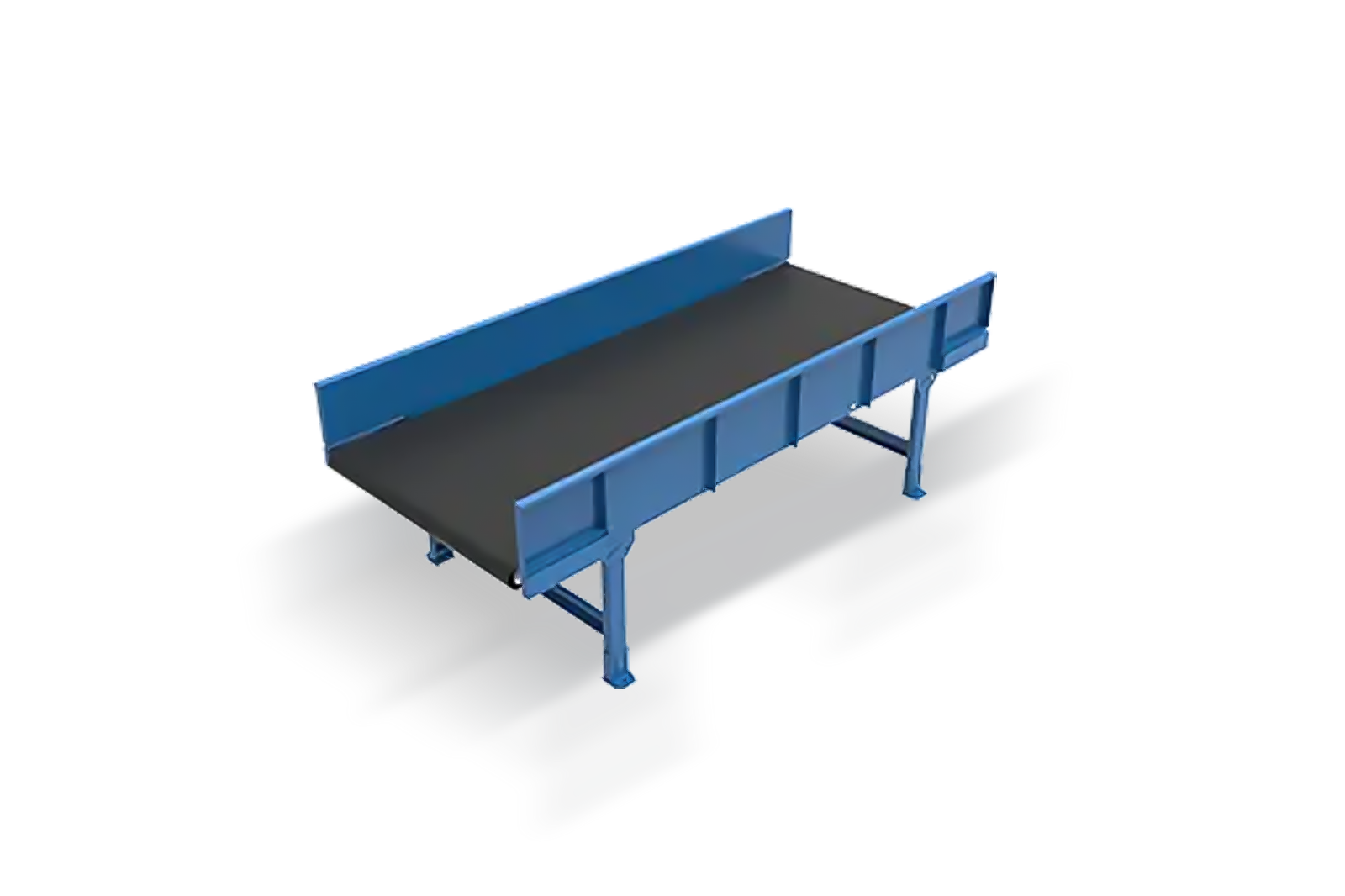
Conveyor systems provide a consistent, predictable flow of goods between zones. The SmartlogitecX Belt Conveyor handles boxes, cartons, and irregularly shaped items at steady speeds, connecting induction points to sorting, packing, and dispatch areas. Unlike manual trolley runs or forklift transfers, conveyor systems maintain constant throughput regardless of staffing levels.
For warehouses supporting ecommerce fulfilment, where order volumes fluctuate significantly between weekdays and promotional periods, conveyors provide the backbone of a reliable logistics automation workflow.
5. Seasonal Demand Peaks Overwhelm Your Current Operations
The Scalability Problem for Growing Australian Warehouses
Seasonal peaks expose the limits of manual operations more clearly than any other event. Black Friday, end-of-financial-year sales, and Christmas trading periods can double or triple normal order volumes. Warehouses that rely on temporary staff to absorb these surges face compounding problems: slower onboarding, higher error rates, and diminishing returns from each additional headcount.
Warehouse scalability depends on infrastructure that can flex with demand without a proportional increase in labour. This is one of the strongest arguments for modular automation systems.
Modular Automation Systems That Flex With Demand
The SmartlogitecX Pallet Four Way Shuttle is a strong example of scalable automation. Multiple shuttles operate within a shared racking structure, and additional units can be deployed to increase throughput during high-demand periods without redesigning the layout. The system adapts to changing SKU profiles and order patterns, making it suitable for operations that handle both bulk storage and case-level picking.
This kind of modular approach supports supply chain optimisation by matching automation capacity to actual demand, rather than engineering for permanent peak levels.
6. Workplace Safety Incidents Are Increasing
Common Safety Risks in Manual Warehouse Environments
Manual warehouse operations carry inherent safety risks. Forklift collisions, manual lifting injuries, repetitive strain conditions, and slips in high-traffic zones account for a significant proportion of workplace incidents reported to Safe Work Australia each year. As order volumes increase, so does the frequency and severity of these incidents.
Beyond the human cost, workplace injuries create financial exposure through workers’ compensation claims, lost productivity, and potential regulatory penalties. A rising incident rate is a clear operational signal that the current model is unsustainable.
How Automation Reduces Injury Risk and Supports Compliance
Automated guided vehicles, conveyor systems, and robotic picking and packing automation systems remove people from the most hazardous tasks. AGVs fitted with obstacle detection sensors eliminate the risk of vehicle-to-pedestrian collisions. Conveyors and stacker cranes handle heavy lifting and repetitive transport, reducing musculoskeletal injury risk.
For Australian warehouses, automation also supports warehouse safety compliance under the Work Health and Safety Act by demonstrating that risks have been identified and managed through engineering controls — the highest tier in the hierarchy of controls framework.
7. Competitors Are Already Automating and Pulling Ahead
The Competitive Cost of Delayed Automation Decisions
Warehouse automation in Australia has moved from a niche investment into a mainstream operational strategy. Across retail, third-party logistics, manufacturing, and cold chain sectors, businesses are deploying automated warehouse systems to achieve faster turnaround times, lower per-unit handling costs, and more reliable service levels.
If your competitors are already shipping faster, quoting lower handling rates, or absorbing demand peaks without service disruptions, the gap is likely driven by differences in logistics automation investment. The longer the delay, the harder it becomes to close that gap.
Building a Business Case for Warehouse Modernisation
A strong business case for warehouse modernisation starts with quantifying the cost of inaction. Calculate what you currently spend on temporary labour surges, error correction, injury claims, and missed despatch windows. Compare that with the projected ROI warehouse automation delivers over a three-to-five-year period.
Most automation projects targeting specific bottlenecks, rather than full-scale overhauls, achieve positive ROI within 18 to 36 months. The key is to start with the highest-impact problems and scale from there.
Frequently Asked Questions
How much does warehouse automation cost in Australia?
Costs vary significantly depending on the type and scale of automation. A single AGV deployment may start from $150,000 to $300,000, while a full AS/RS installation can range from $1 million to $10 million or more. Most providers, including SmartlogitecX, offer phased implementation options to spread capital expenditure.
What is the typical ROI timeline for warehouse automation?
Targeted automation projects typically achieve positive ROI within 18 to 36 months. Larger installations may take three to five years. The timeline depends on labour savings, error reduction, throughput gains, and the cost of the specific technology deployed.
Can small and mid-sized warehouses benefit from automation?
Yes. Modular technologies such as AGVs, belt conveyors, and mini sorters allow smaller operations to automate specific bottlenecks without committing to a full facility overhaul. Scalable warehouse automation solutions mean you can start small and expand as the business grows.
Which warehouse tasks should be automated first?
Prioritise tasks that are repetitive, labour-intensive, and error-prone. Pallet transport, order sorting, and storage and retrieval are common starting points because they offer the clearest return on investment.
How long does it take to implement warehouse automation?
Simple deployments such as a single AGV or conveyor line can be operational within 8 to 12 weeks. Complex AS/RS installations may require 6 to 18 months including design, manufacturing, installation, and commissioning.
Do automated warehouse systems require specialist staff to operate?
Most modern systems are designed for operation by trained warehouse staff rather than specialist engineers. Providers typically include operator training and ongoing support as part of the implementation package.
What is the difference between AGVs and AMRs?
AGVs follow fixed paths using magnetic, laser, or vision guidance. AMRs (Autonomous Mobile Robots) navigate dynamically and can reroute around obstacles in real time. AGVs suit predictable, repetitive routes. AMRs suit more complex, variable environments.
Can automation systems integrate with existing warehouse management software?
Yes. Most warehouse automation products, including those offered by SmartlogitecX, are designed to integrate with leading WMS, ERP, and order management platforms via standard APIs and middleware.
Is warehouse automation suitable for cold chain and temperature-controlled environments?
Yes. Several automation technologies, including AS/RS stacker cranes and four-way shuttles, are available in variants rated for operation in chilled and frozen storage environments down to minus 25 degrees Celsius.
How does automated storage and retrieval work?
An AS/RS uses stacker cranes or shuttle systems to automatically place and retrieve goods from defined storage locations within a racking structure. The system is controlled by software that tracks every item by location, enabling instant retrieval and accurate inventory management.
Making the Decision to Automate Your Warehouse
If your warehouse is experiencing even two or three of the signs outlined above, the operational case for automation is strong. Rising labour costs, climbing error rates, space constraints, throughput bottlenecks, scalability limits, safety concerns, and competitive pressure each represent a clear signal. Together, they represent an urgent one.
The most effective approach is to start with the highest-impact problem, implement a targeted solution, measure the results, and scale from there. Warehouse automation in Australia is no longer reserved for the largest operators. Modular, scalable technologies make it accessible to mid-sized operations as well.
SmartlogitecX works with Australian businesses across retail, ecommerce, logistics, and manufacturing to scope, design, and implement logistics automation solutions tailored to specific operational needs. To discuss your warehouse readiness or request an obligation-free assessment, contact the SmartlogitecX team.